
2026 Top Surgical Needle Types for Global Buyers

Choosing the right Surgical Needle is a clinical decision, not a simple purchasing exercise. Global buyers must compare needle shape, point geometry, curvature, alloy strength, suture compatibility, and packaging quality. A 3/8-circle needle may suit accessible tissue, while a 1/2-circle design can improve control in deeper cavities. Small differences matter.

Dr. John H. Collins, a surgical instrument specialist, states, “Needle performance begins with matching geometry to tissue and technique.” This principle remains practical across hospitals, distributors, and contract manufacturers. A sharp taper point may reduce tissue disruption, while a cutting point can improve penetration through dense tissue. Yet sharper is not always better. It may increase trauma when used in delicate structures.

This guide examines the top Surgical Needle types considered by global buyers in 2026. It connects operating-room experience with measurable product details. Buyers will find comparisons involving reverse-cutting needles, conventional cutting needles, taper needles, blunt needles, and spatula designs. Material consistency, needle memory, swage security, and sterile-barrier integrity also deserve attention.

Look closely.

A product may appear identical in a catalog but behave differently during repeated passes. Surgeons often notice this through hand pressure, tip stability, and controlled penetration. Procurement teams may overlook those details when price dominates the discussion. That is a weakness worth challenging.

Regional surgical practices, regulatory requirements, and procedure volume can change the best choice. Therefore, no universal winner exists. The strongest selection is the one that fits tissue, technique, workflow, and verified quality evidence.
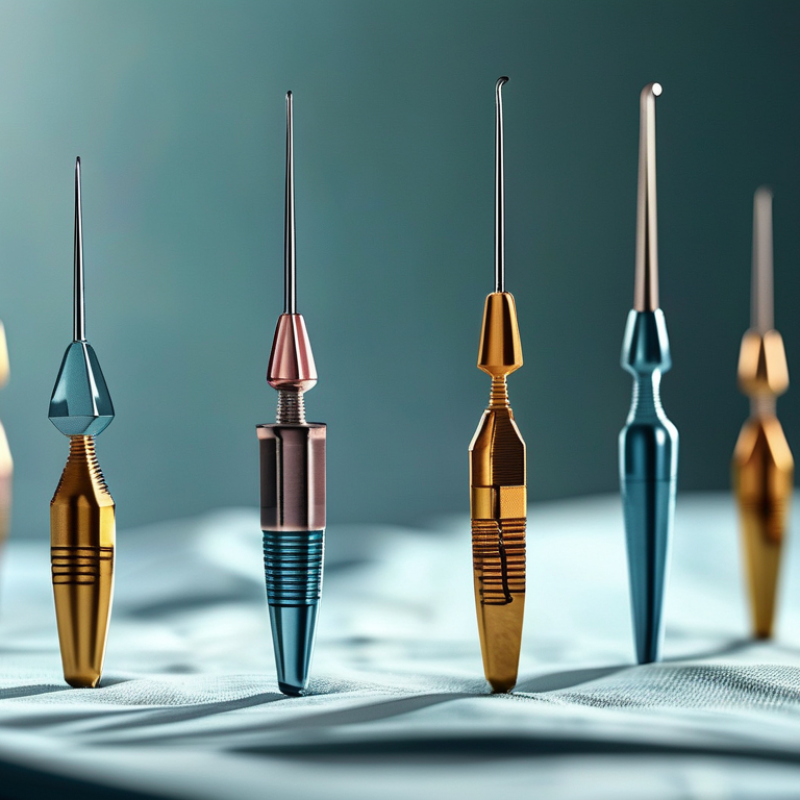
2026 Top Surgical Needle Types for Global Buyers

Surgical Needle Classification: ISO 7864, ISO 7153-1, and USP 0–11-0 Sizes

In 2026, surgical needle selection depends on more than shape or price. ISO 7864 defines requirements for sterile, single-use surgical needles, including dimensions, strength, ductility, and needle-point performance. Buyers should request test records, not rely on catalog language alone. A needle should pass smoothly through tissue, without bending unexpectedly or leaving visible fragments.

ISO 7153-1 helps buyers review material choices for surgical instruments. It supports evaluation of metals, corrosion resistance, and material compatibility. However, it does not replace product-specific performance testing. USP sizing adds a practical language: 0 is relatively large, while 11-0 is extremely fine. The higher the “-0” count, the smaller the diameter. Size selection must match tissue type, suture material, visibility, and handling needs. Small differences matter.

The Lancet Commission estimated about 313 million surgical procedures occurred worldwide in 2012. WHO’s Global Patient Safety Action Plan also identifies safe surgical care as a worldwide priority. These figures show why consistent needle classification matters across procurement teams. Yet, standards can be interpreted too mechanically. A compliant needle may still feel unsuitable in a surgeon’s hand. Buyers should compare ISO documentation, USP size labels, microscopic tip quality, packaging integrity, and real clinical feedback. A sample test helps. It may reveal a problem that paperwork misses.

2026 Top Surgical Needle Types for Global Buyers

Surgical Needle Classification: ISO 7864, ISO 7153-1, and USP 0–11-0 Sizes

How to read the chart: The bars show commonly published USP/NF suture diameter bands in millimeters. Smaller USP sizes indicate finer suture material and are commonly selected for delicate tissue repair, while larger sizes are used where greater tensile strength is required.

Needle classification context: Common surgical needle point profiles include taper, cutting, reverse-cutting, and blunt points. ISO 7864 addresses sterile single-use surgical needles, while ISO 7153-1 specifies metals used in surgical instruments. Needle geometry, point profile, curvature, and suture size should be selected according to tissue type and procedure requirements.

Needle Point Geometry: Cutting, Taper, Blunt, and Reverse-Cutting Designs

2026 Top Surgical Needle Types for Global Buyers

Needle point geometry controls tissue entry, force, and the risk of unnecessary trauma. Cutting needles use a triangular tip and sharp edges. They suit dense tissues, including skin and fascia. Reverse-cutting designs place the cutting edge away from the wound’s outer curve. This can reduce tissue pull-through during closure. Taper needles separate fibers instead of slicing them. They are commonly selected for bowel, muscle, and other softer tissues. Blunt needles offer a rounded tip and lower puncture risk. They can support safer handling in friable tissue or selected deep procedures.

Small details matter. A 2024 Fortune Business Insights report valued the global surgical sutures market at about USD 4.16 billion in 2023. It projects approximately USD 6.08 billion by 2030. Grand View Research reports similar growth, although market estimates differ by scope and methodology. Needle selection should therefore follow clinical use, not market size alone. Buyers should compare curvature, diameter, point length, coating, and package integrity. ISO 9626 material requirements can also support more consistent quality checks.

In practical evaluation, a reverse-cutting needle should pass cleanly through firm synthetic skin without excessive drag. A taper needle should avoid tearing a soft test membrane. These tests are useful, but imperfect. Real tissue behaves differently. WHO’s Global Surgery 2030 findings estimated that five billion people lack timely access to safe, affordable surgical care. That pressure makes dependable, adaptable needle specifications important for global procurement. Lowest price is not always lowest risk.

2026 Top Surgical Needle Types for Global Buyers - Needle Point Geometry: Cutting, Taper, Blunt, and Reverse-Cutting Designs
Needle Point Type Point Geometry Typical Tissue Application Key Performance Characteristics Main Advantages Primary Limitations Common Buyer Considerations
Taper Point Round body that gradually narrows to a sharp, conical point. Soft, resilient tissue such as muscle, subcutaneous tissue, peritoneum, bowel, and vascular tissue. Separates tissue fibers rather than slicing them; generally produces a smaller puncture track than a cutting point. Reduced risk of cutting through soft tissue; supports smooth penetration and good tissue approximation. May not penetrate dense, fibrous, heavily scarred, or calcified tissue efficiently. Match needle diameter and length to tissue thickness, access depth, and required suture strength.
Taper-Cut Round tapered body combined with a short triangular cutting tip. Dense fibrous tissue, fascia, tendon, periosteum, and selected tough connective tissues. Uses a cutting tip for initial penetration, followed by a tapered body to reduce unnecessary tissue cutting. Balances penetration of firm tissue with a smaller exit profile than a fully cutting needle. Can increase tissue trauma compared with a conventional taper point in delicate tissue. Useful when a taper point is too blunt but a full cutting profile would be unnecessarily aggressive.
Conventional Cutting Triangular cross-section with the cutting edge oriented on the inner curvature of the needle. Skin, dense connective tissue, and other firm tissue requiring a penetrating edge. Sharp cutting edges facilitate penetration through tough tissue; the inner cutting edge may be more prone to cut-out under tension. Efficient penetration and predictable handling in relatively dense tissue. Higher potential for tissue cut-out or enlargement of the needle track when used in fragile tissue. Consider tissue holding strength, suture tension, and whether the inner cutting edge could compromise the wound margin.
Reverse-Cutting Triangular cross-section with the cutting edge oriented on the outer curvature of the needle. Skin, fascia, tendon, ligament, oral mucosa, and other firm or dense tissue. Places the strongest needle material at the inner curvature and directs the cutting edge away from the wound edge. Improved resistance to cut-out compared with conventional cutting geometry in many firm-tissue applications. Still has cutting edges and may cause unnecessary tissue injury in delicate or friable tissue. Often selected when wound-edge security and penetration of dense tissue are priorities.
Premium Cutting Modified cutting profile designed to concentrate penetration at the tip while limiting the cutting action along the shaft. Selected ophthalmic, plastic, cardiovascular, and other procedures requiring controlled penetration. Very sharp entry with a geometry intended to reduce drag and tissue disruption during passage. Precise penetration and potentially improved handling in delicate, accuracy-sensitive procedures. Usually more procedure-specific; performance depends on exact point design, needle size, and tissue characteristics. Verify the intended specialty, tip length, cross-section, and compatibility with the target tissue.
Blunt Point Rounded, non-cutting tip with a tapered or smoothly contoured profile. Friable parenchymal tissue such as liver, kidney, and spleen; selected obstetric and vascular applications. Displaces and separates tissue with limited cutting action; requires controlled force and appropriate tissue exposure. May reduce accidental needle-stick penetration and lower the tendency to cut fragile tissue. Requires more insertion force and is unsuitable for many dense tissues or situations requiring sharp penetration. Assess tissue fragility, needle-stick risk, access angle, and whether blunt penetration is clinically appropriate.
Spatula Flattened, blade-like profile with a sharp edge oriented to pass through selected tissue planes. Ophthalmic procedures and specialized microsurgical applications. Designed to follow a controlled, relatively shallow path and limit unwanted deep penetration. Supports precise placement where depth control and fine tissue handling are critical. Not a general-purpose needle; requires specialized technique and procedure-specific selection. Confirm the required needle width, curvature, tip orientation, and microscope or magnification workflow.
Tapered with Blunt Tip Gradually narrowing body ending in a rounded, non-cutting point. Fragile parenchymal tissue and procedures where minimizing accidental puncture is important. Separates tissue with a rounded tip and distributes insertion force along the tapered body. Can help limit cutting and reduce unintended penetration of delicate structures. Less effective in dense fascia, skin, and heavily fibrotic tissue. Review handling force, tissue thickness, surgeon preference, and the required level of penetration control.
Tapercut with Side Cutting Edge Rounded or tapered body with a localized cutting section positioned to improve entry through firm tissue. Selected difficult-to-penetrate tissues where controlled cutting is needed without a fully triangular shaft. Combines directional cutting with a tapered body to manage penetration and tissue passage. Can provide a compromise between the penetration of cutting needles and the reduced drag of tapered designs. Performance varies substantially with exact edge placement and point construction. Request validated technical drawings, point geometry, and intended-tissue guidance before large-volume purchasing.
Selection note: Point geometry should be evaluated together with needle diameter, length, curvature, suture attachment, tissue characteristics, procedure technique, sterilization requirements, and applicable regulatory requirements. The same point type may perform differently across tissue types and surgical techniques.

Needle Materials and Coatings: 300-Series Steel and ISO 10993 Testing

For 2026 global surgical needle sourcing, material selection deserves more attention than a simple hardness figure. Many needles use 300-series stainless steel because it combines formability, corrosion resistance, and reliable tissue penetration. Austenitic structures also support precise grinding and consistent tip geometry. However, “300-series” is not a complete specification. Buyers should request the exact grade, chemical composition, tensile data, and surface-finish records.

Coatings can reduce insertion drag, but they introduce another evaluation layer. A smooth coating may improve handling, yet poor adhesion can create particles after bending or sterilization. It can also change needle visibility and puncture performance. Ask for coating thickness, application method, adhesion results, and simulated-use data. Short tests are not enough. Realistic testing matters.

ISO 10993 should be applied according to the device’s contact type and duration. It is not one universal approval test. For coated needles, assessments may include cytotoxicity, irritation, sensitization, and chemical characterization. Extractables should be reviewed after sterilization, storage, and simulated clinical contact. Documentation must connect each test to a clear risk assessment. In procurement practice, incomplete reports remain common. A certificate alone may look reassuring, but it cannot replace traceable raw-material records and batch-level inspection. Some specifications still overlook coating wear at the needle tip. That gap deserves closer review.

Top 2026 Needle Types by Procedure: Ophthalmic, Cardiovascular, and Obstetric

2026 Top Surgical Needle Types for Global Buyers

Ophthalmic procedures demand precision at a very small scale. Fine, spatulated needles can separate tissue cleanly during corneal or scleral repair. Curved profiles may improve access around the eye. Needle length and suture compatibility also matter. A needle that feels ideal in a training model may behave differently in delicate human tissue. That difference deserves careful evaluation.

Cardiovascular surgery often requires strong, atraumatic needles for vessels and cardiac tissue. Taper-point designs can reduce tissue tearing during vascular closure. Larger needles may suit thicker structures, while smaller options support controlled work near fragile vessels. Buyers should review needle geometry, curvature, penetration force, and documented performance data. Do not judge quality by appearance alone.

Obstetric procedures need dependable handling under pressure. Tapered needles may support soft-tissue repair, while cutting or reverse-cutting edges can assist with tougher tissue. The correct choice depends on the repair site, tissue condition, and surgeon preference. Packaging should protect sterility and allow quick identification in busy operating rooms. Traceability matters too. Small details matter.

Global buyers should request samples, technical files, sterilization information, and inspection records before large orders. Manufacturing consistency can vary between production batches. That is easy to overlook. Clinical feedback should guide final selection, not marketing language. Even experienced teams may need to reassess needle curvature after real procedure use. Reliability is built through evidence, testing, and honest review.

Global Buyer Standards: FDA 21 CFR, EU MDR, Sterility, and Lot Traceability

2026 Top Surgical Needle Types for Global Buyers

A surgical needle may look flawless under bright inspection lights. Compliance, however, begins long before packaging. Global buyers should request evidence covering FDA 21 CFR requirements, manufacturing controls, and device records. Documentation should identify materials, dimensions, coating details, and intended clinical use. A supplier’s quality certificate alone is not enough. It needs supporting test reports and controlled revision history.

EU MDR buyers should review technical documentation, risk management, clinical evaluation, and applicable UDI information. The file should match the exact needle type and configuration. Sterility requires equal attention. Check the sterilization method, validated cycle, packaging integrity, and expiration basis. Records should show a defined sterility assurance level, commonly 10⁻⁶ for terminally sterilized devices. Some files look complete but still leave gaps. That deserves a direct question.

Tips: Ask for a sample lot record before placing a large order. Confirm the lot number appears on the unit package, carton, and shipping documents. Traceability should connect raw materials, production dates, sterilization records, inspections, and release decisions. Keep retained samples when practical. They can clarify unexpected complaints months later. Also verify storage conditions during transport. A sterile package is not protected by paperwork alone.